

How to Take Care of an Electric Wheel Scooter
One of the most popular ways to get around is with an electric scooter. These vehicles let you bypass stop lights and navigate through traffic with ease.
The raw materials used to make an electric scooter include aluminum alloy and lithium-ion batteries. These materials can have an impact on the environment when they are used.
Power
Lithium-ion batteries are the power source for electric scooters. They offer a reliable power supply with autonomy up to 100 kilometers (31 miles) when fully charged depending on the model and driving conditions. This includes the speed you select along with your weight and terrain.
The battery capacity is also a key element in determining the range. It is measured by voltage (V) and amp-hours (Ah) and watt-hours (Wh). A higher number means the battery is able to store more energy. It is also worth noting that the quality of battery cells plays an important aspect in how long they can last before deteriorating. The most reliable models can last of 500-600 charging cycles before they lose performance.
In comparison to traditional wheelchairs scooters are typically lighter and more maneuverable. They can also move more quickly on a flat surface than manual wheelchairs. They are a great option for those who have less strength and endurance. For instance, people with disabilities that are systemic like Ehlers Danlos syndrome, MS sclerosis, coronary heart disease and other health issues may find it challenging to push themselves forward in the manual wheelchair.
A scooter can also be a good option for people who require assistance getting into and out of their vehicle. The slim profile and light weight design of these vehicles makes them easy to drive on a smooth, level road.
The boot scooter is ideal for use on paths with paved surfaces and flat pavements. It is lightweight, compact and foldable to make it easy to transport. It is suitable for short distance commuting and shopping but not for long distances or rocky terrain.
Design
Electric scooters are designed to be compact and sleek, allowing for them to fold into a compact size and then folded down in a matter of minutes. They also have features like brakes and displays that allow you to monitor and control your ride. The seat and handles can be adjusted to the height you prefer to ensure your safety and comfort.
Batteries, usually Li-ion are used to power the scooter. These batteries are located along the base of the scooter, keeping their center of gravity low and enhancing stability.
There are two primary kinds of electric scooters - kick-powered and bike-style. Kick-powered scooters are small platforms where the rider stands while holding the handlebar. Bike-style scooters come with an open frame with a comfortable seat.
The following aspects are crucial to consider when choosing the right scooter: weight of the rider the motor's capacity, battery capacity and braking system. A higher motor can accommodate heavier riders with no dip in performance. A larger battery will provide greater range. Additionally, a stronger motor generally allows for greater speeds and more steep inclines.
Braking systems can be classified as electronic and mechanical systems, with the latter being more efficient and requiring less maintenance. A mechanical braking system uses physical mechanisms like disc or drum brakes, as well as foot brakes to slow the scooter down while electronic systems make use of a combination of sensors and controllers that regulate the flow of current to the motor based on the accelerator input. Both kinds of brake systems are vital for safety and control. However, an electrical brake system is more durable than a mechanical system especially in extreme weather conditions.
Safety
While an electric scooter is an excellent method of getting around, it's important to keep safety in mind. This is especially important for new riders who may have limited experience using the device and will need to practice in a secure environment prior to attempting their first journey on the roads. Be aware of the road's surface, the ability of the rider to read the road ahead, and the appropriate use of safety equipment.
The braking system is among the most essential features of an electric scooter. The effective brakes help control speed, reduce accidents, and avoid injuries. The condition and quality of the brakes need to be regularly checked.
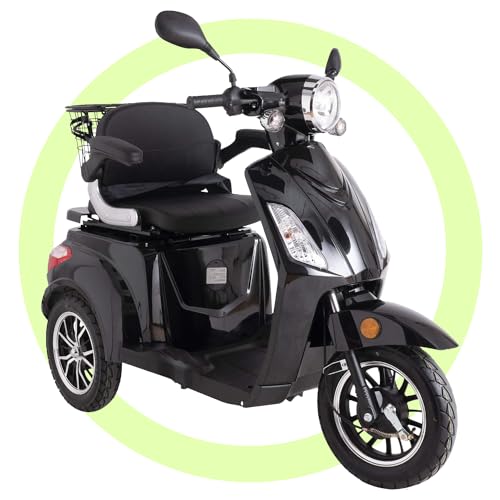
Another crucial safety feature is the structure of the scooter. A sturdy frame will provide the rider more stability and reduce the chance of a crash. In addition, the scooter's wheels should be of high quality to ensure that the rider does not slip and fall off.
The controls for speed on the scooter also play an important role in safety. The controls can be adjusted to suit the requirements of the user, which is useful for commutes. If the scooter is moving too fast, it could cause damage to the scooter and even injure the rider. The scooter may be unstable and cause accidents.
Electric scooters are also quieter than standard vehicles. This means that you can enjoy your ride without disturbing anyone else. This is particularly important during times of COVID-19, when social distancing guidelines are in place. Public transportation makes it hard to follow these guidelines however, an electric scooter could be a great alternative.
Maintenance
When you take care of your electric scooter it will last longer and perform better than one that is left untreated. By performing regular cleaning, lubrication, and inspections to keep your scooter running smoothly and looking great. A well-maintained and well-riding scooter will make you feel happy to use it and will retain its value should you decide to sell it.
Cleaning the scooter thoroughly is the first step towards maintenance. This will remove dirt, dust and grime from the delicate electrical components. When cleaning, remember that water and electricity are not compatible. Avoid using a lot of water and use an item that is safe for electronic devices. Then, ensure that you dry the scooter before reassembly.
Brakes are an additional component of electric scooters, and it is recommended to check them regularly for wear and tear. You may need to replace the brake pads or adjust the caliper. The owner's manual contains detailed instructions for your specific braking system, so be certain to read it prior trying any repairs.
Regularly checking the tire pressure is also a good idea. If the tires are not properly inflated this could affect the battery's performance and handling of the scooter. Be sure to inspect the kickstand to ensure that it functions properly.
If you don't feel comfortable doing these repairs on your own, it is a good idea to locate an electric scooter repair shop near you. They have the experience and tools to solve a variety of issues. They also can perform repairs quickly.
Disposal
Electric scooters are becoming more popular as a method of transportation. Businesses must ensure that their disposal practices at the end of life are environmentally sustainable and are in line with sustainability. This involves recycling or reusing batteries as well as other components through sustainable electronic waste practices. This is important to consider as rideshare and personal scooters are typically replaced on an annual basis.
One of the most difficult issues in recycling electric scooters is the separation and recycling of components from their intricate assemblies. Batteries, for example, are composed of many different elements that must be disassembled and separated before they can be recycled. This process can be lengthy and costly, but it's crucial to reduce waste in the environment and encourage a circular economy.
Another challenge is the risk of leaks or fires during recycling. green power mobility scooter reviews is especially true for lithium-ion battery that requires special facilities with the most advanced safety and containment methods. However this issue can be addressed by implementing strict guidelines for collecting, storing and transporting used batteries prior to their transportation to recycling facilities.
The positive side is that a increasing awareness of green living and advances in recycling technologies are making it easier to recycle scooters as well as their components. Manufacturers are also actively participating in this endeavor by creating scooters with recyclability in mind and using safer materials.
In lieu of traditional recycling, you can repurpose your old e-scooter by transforming it into a DIY project or giving it to a person in need. You can check out trade-in programs from some retailers if you are looking to purchase a new electric scooter. These programs allow you to trade in your old scooter to get an affordable price on a new model, reducing production and waste generation in the process.